Quick Summary:
Should your business invest in SEO or Google Ads? Here is a comprehensive comparison of cost, ranking timelines, lead conversion rates, and long-term ROAS for businesses.
⚡ Quick Answer: SEO vs Google Ads — The Executive Summary
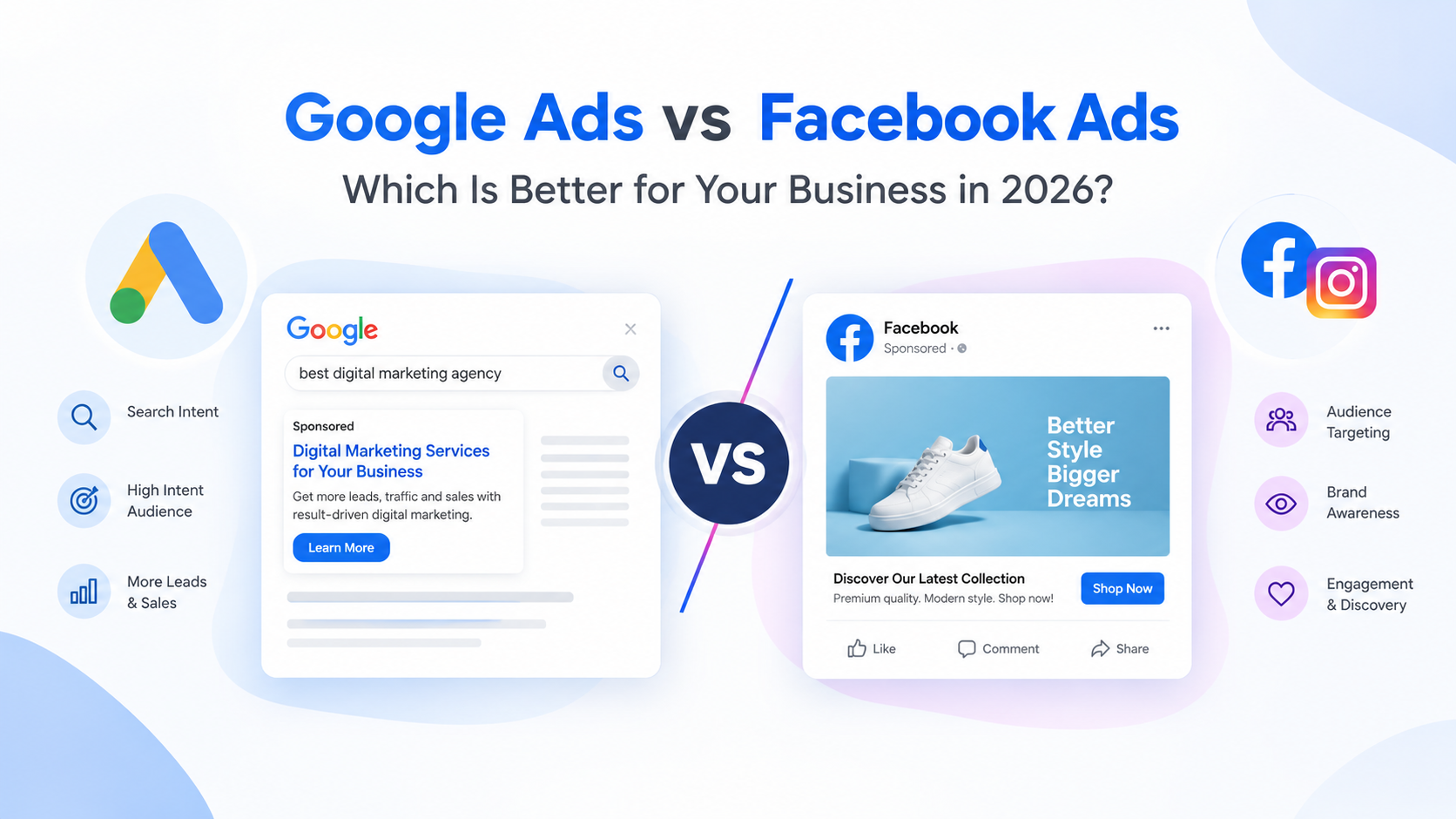
Google Ads (PPC) is designed for speed — delivering qualified, high-intent traffic within 24 to 48 hours of campaign launch, but traffic ceases the moment ad spend stops. SEO (Search Engine Optimization) is designed for compounding ROI — requiring 3 to 6 months of optimization, but providing sustained, 24/7 organic traffic with zero cost-per-click. For maximum revenue growth, leading brands use a hybrid growth model: PPC for immediate cash flow and SEO for long-term profit margins.
Every business owner and marketing director faces the same fundamental dilemma: "Should I invest my budget into Google Search Engine Optimization (SEO) or pay for Google Ads (PPC)?"
Both channels capture search intent when potential customers are actively looking for your solutions. However, their cost dynamics, timeline to profitability, click-through rates, and algorithmic dependencies differ dramatically. In this deep dive, we compare SEO and Google Ads across all key performance indicators to help you allocate your marketing budget intelligently.
1. Core Side-by-Side Comparison
| Feature / Metric | Search Engine Optimization (SEO) | Google Ads (Pay-Per-Click) |
|---|---|---|
| Time to First Lead | 3 to 6 Months | 24 to 48 Hours |
| Cost Structure | Fixed Monthly Retainer (Zero per-click cost) | Variable (Daily Ad Spend + Management Fee) |
| Traffic Continuity | Permanent & Compounding (Remains live) | Immediate drop to zero when budget pauses |
| Share of Total Search Clicks | 65% – 70% of total search volume | 20% – 30% of commercial search clicks |
| Consumer Trust Level | High (Organic authority perceived as merit-based) | Moderate (Clearly labeled as sponsored) |
| AI Search Engine Citations (AEO/GEO) | Crucial (ChatGPT, Perplexity extract organic data) | Not indexed by generative search summaries |
2. Deep Dive: The True Economics of Google Ads (PPC)
Google Ads operates on an auction model. You bid on high-intent keywords (e.g., "buy commercial property in Mumbai" or "best web developer in Bangalore") and pay Google every time a user clicks your link.
✅ Advantages of Google Ads
- Immediate Lead Generation: Start receiving inquiries within hours of setting up campaigns.
- Hyper-Granular Targeting: Filter by exact location, device, time of day, and commercial keyword intent.
- A/B Testing Speed: Test different landing page headlines and offers within days.
❌ Disadvantages of Google Ads
- High Ongoing Costs: Competitive keywords in India can cost ₹50 to ₹500+ per click.
- Zero Compounding Value: When you pause your budget, your traffic and leads stop instantly.
- Click Fraud Risk: Competitor clicks and unqualified browsing can drain budget without proper click fraud filters.
3. Deep Dive: The True Economics of Organic SEO
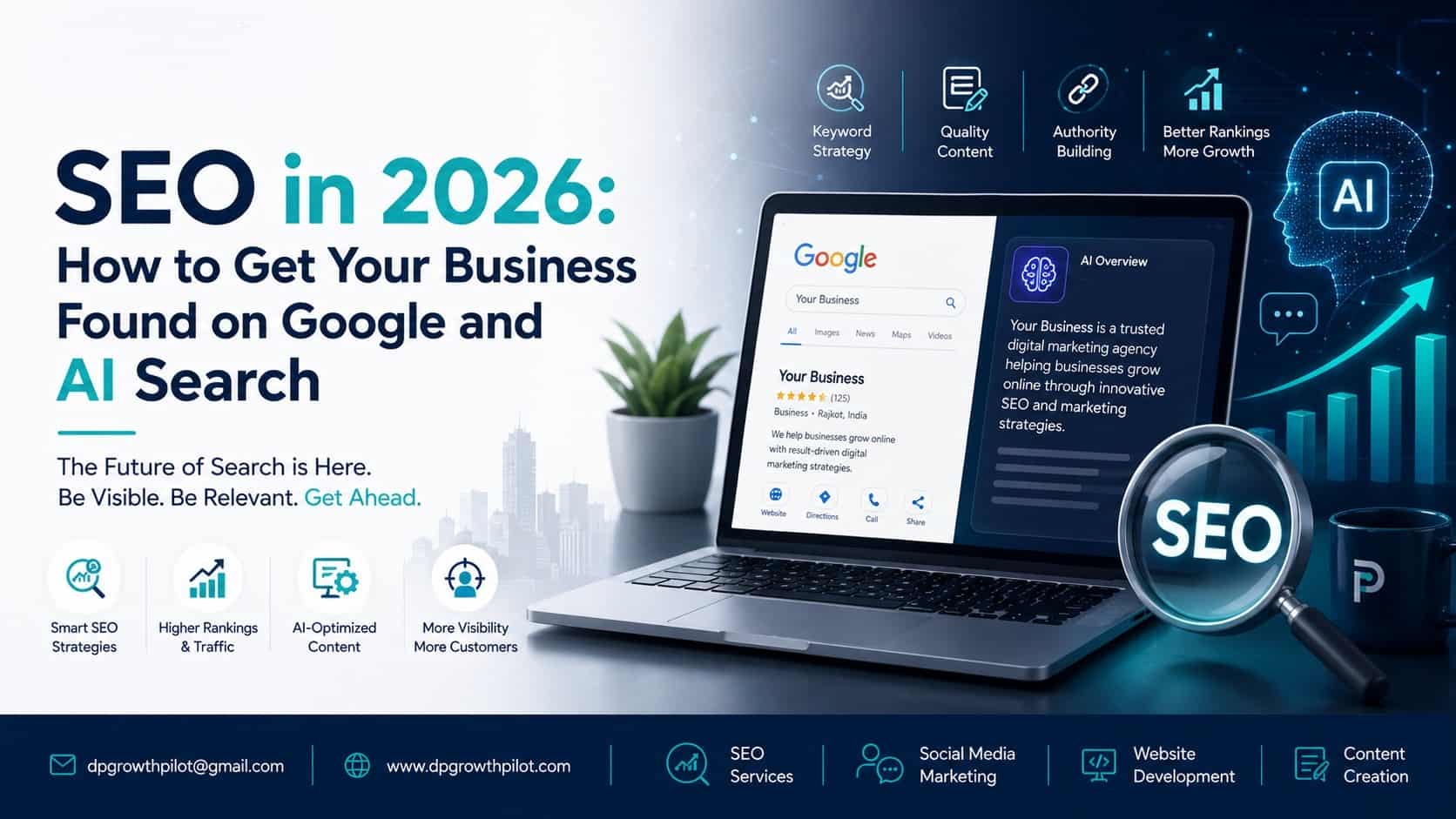
Search Engine Optimization involves optimizing your website's technical architecture, publishing authoritative content, and acquiring high-DA backlinks to secure top rank on Google's unpaid results.
✅ Advantages of SEO
- Free Clicks & Exponential ROI: Getting 10,000 monthly organic visits costs zero incremental spend.
- Higher Conversion Trust: Many high-value B2B buyers consciously scroll past ads to click top organic results.
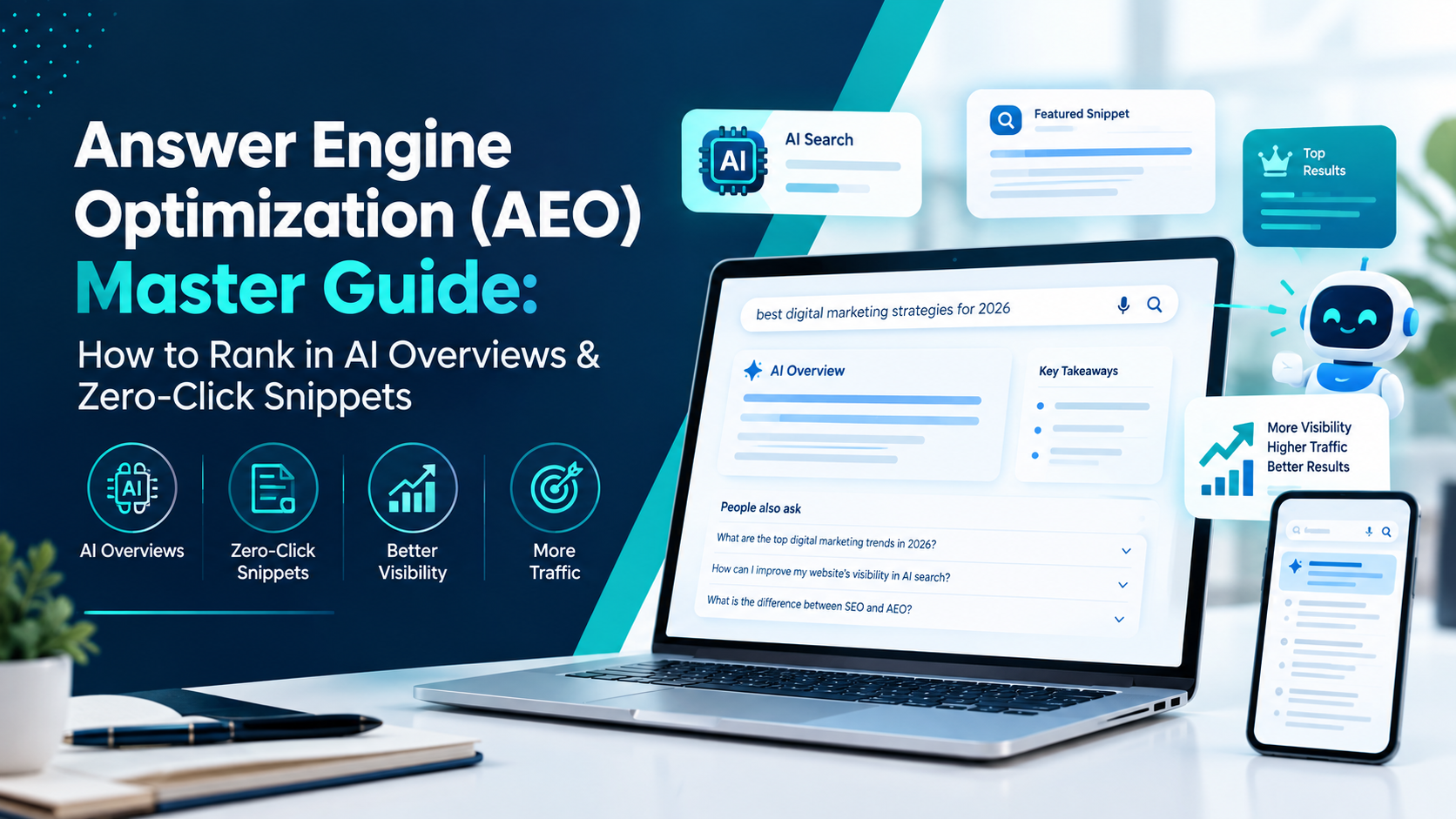
- Powers AI Search Engines: ChatGPT Search, Perplexity, and Google AI Overviews cite authoritative SEO content.
❌ Disadvantages of SEO
- Requires Patience: Noticeable ranking growth requires consistent work over 90 to 180 days.
- Algorithm Updates: Requires adherence to Google Core algorithm guidelines and clean white-hat practices.
4. The Winner's Strategy: The 80/20 Hybrid Growth Model
Rather than treating SEO and Google Ads as opposing strategies, successful businesses combine both to maximize growth and profit margins:
- Months 1–3 (Lead Acceleration Phase): Allocate 70% budget to Google Ads for fast sales pipeline cash flow, while laying down technical SEO and schema foundations.
- Months 3–6 (Transition & Authority Phase): As organic rankings begin reaching Page 1, start reallocating budget into content expansion and high-DA link building.
- Month 6 Onwards (Compounding Scale): Organic SEO handles 70% of inbound customer acquisition at near-zero incremental cost, while Google Ads is used strategically for high-ticket service campaigns.
Frequently Asked Questions (FAQ)
Q1: Is SEO cheaper than Google Ads?
In the long run (12+ months), SEO is dramatically cheaper because you do not pay per click. For short-term campaigns (less than 30 days), Google Ads is more cost-effective because SEO takes time to ramp up.
Q2: Can I run Google Ads without doing SEO?
Yes, but your Quality Score in Google Ads will suffer if your landing page lacks proper speed and on-page optimization, causing you to pay higher Cost-Per-Click (CPC) rates.
Accelerate Your Business Growth with DP Growth Pilot
Whether you need high-converting Google Ads campaigns to generate inquiries tomorrow or a data-backed SEO strategy to dominate your market over the next decade, DP Growth Pilot has the expertise to scale your revenue.
Get a Free Marketing ROI Audit
Let our performance marketing experts analyze your website and show you the exact roadmap to scale your leads.
Request Free Audit →